A Carry-On Packing Plan for a Two-Night Weekend
Build a compact weekend bag around actual activities, repeatable outfits, and the baggage rules for your specific journey.
This article may contain affiliate links. If you buy through them, we may earn a commission at no extra cost to you. Our disclosure and editorial approach.
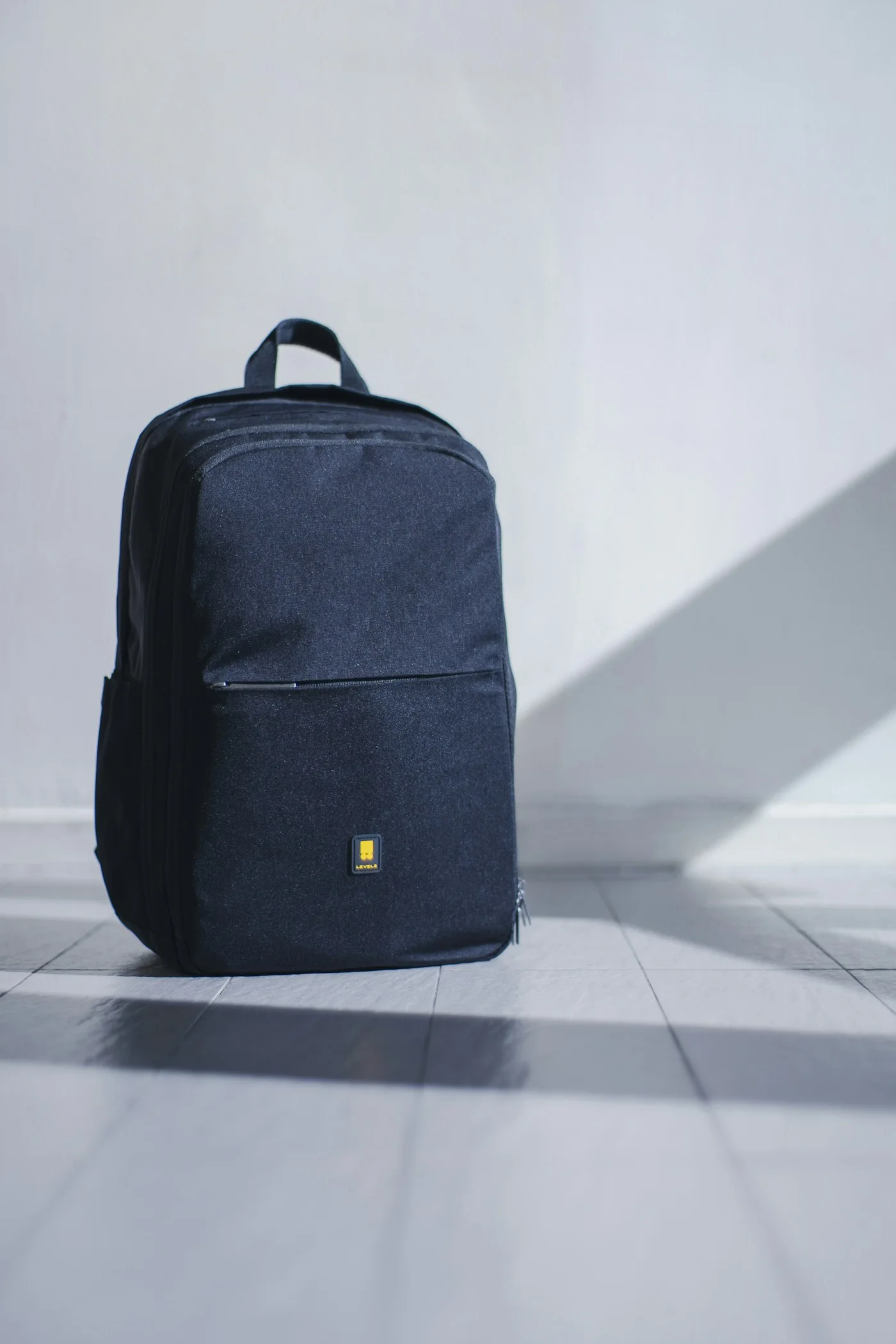
A two-night bag becomes easier to pack when you stop preparing for every possible version of the weekend. Start with the journeys, booked activities, and expected weather. Then build a small set of clothes that works together and a separate pouch for essentials you cannot afford to lose access to. This plan suits an ordinary city break; specialist sports, formal events, and medical needs deserve their own additions.
Start with the transport booking
Check the baggage allowance attached to your actual fare, not just the airline's largest advertised cabin bag. A small under-seat allowance and an overhead cabin allowance are different products. Measure the bag including handles, wheels, and filled outer pockets, then check any weight limit. If several airlines operate your journey, compare every relevant segment.
Airport security rules are separate from airline baggage rules. For a journey screened by TSA, consult its current liquids and prohibited-item guidance; for another country, use the responsible airport or authority's guidance. Do not assume a rule you encountered on the outward journey applies unchanged on the return. Keep permitted liquids accessible if the local screening procedure requires removal.
Write the weekend on paper before choosing clothes
List arrival travel, the main daytime activity, dinner plans, and departure travel. Most casual city weekends do not require a separate outfit for every line. Wear the bulkier familiar shoes and your main layer during travel if comfortable, then repeat useful pieces. Choose one outfit that can handle the most dressed-up event instead of packing several competing options.
A useful starting set is two interchangeable tops, one spare bottom, sleepwear, underwear and socks for the days involved, and a weather layer. The exact count depends on temperature, personal preference, and how easily clothing can be reworn. This is a starting point, not a rule that asks you to compromise hygiene or comfort. Add a specific item only when you can name its likely use.
| Item group | Starting approach | Reason to add more |
|---|---|---|
| Day clothes | A small mix of compatible separates | A distinct activity or unusual temperature range |
| Shoes | One familiar walking pair worn in transit | A genuine formal or specialist requirement |
| Toiletries | Only the products used in two nights | Personal care needs unavailable at the destination |
| Electronics | Phone, suitable charger, required adapter | A specific work or photography task |
| Essential pouch | Documents, medication, valuables | Needs that must stay accessible throughout travel |
Use containers to solve a problem
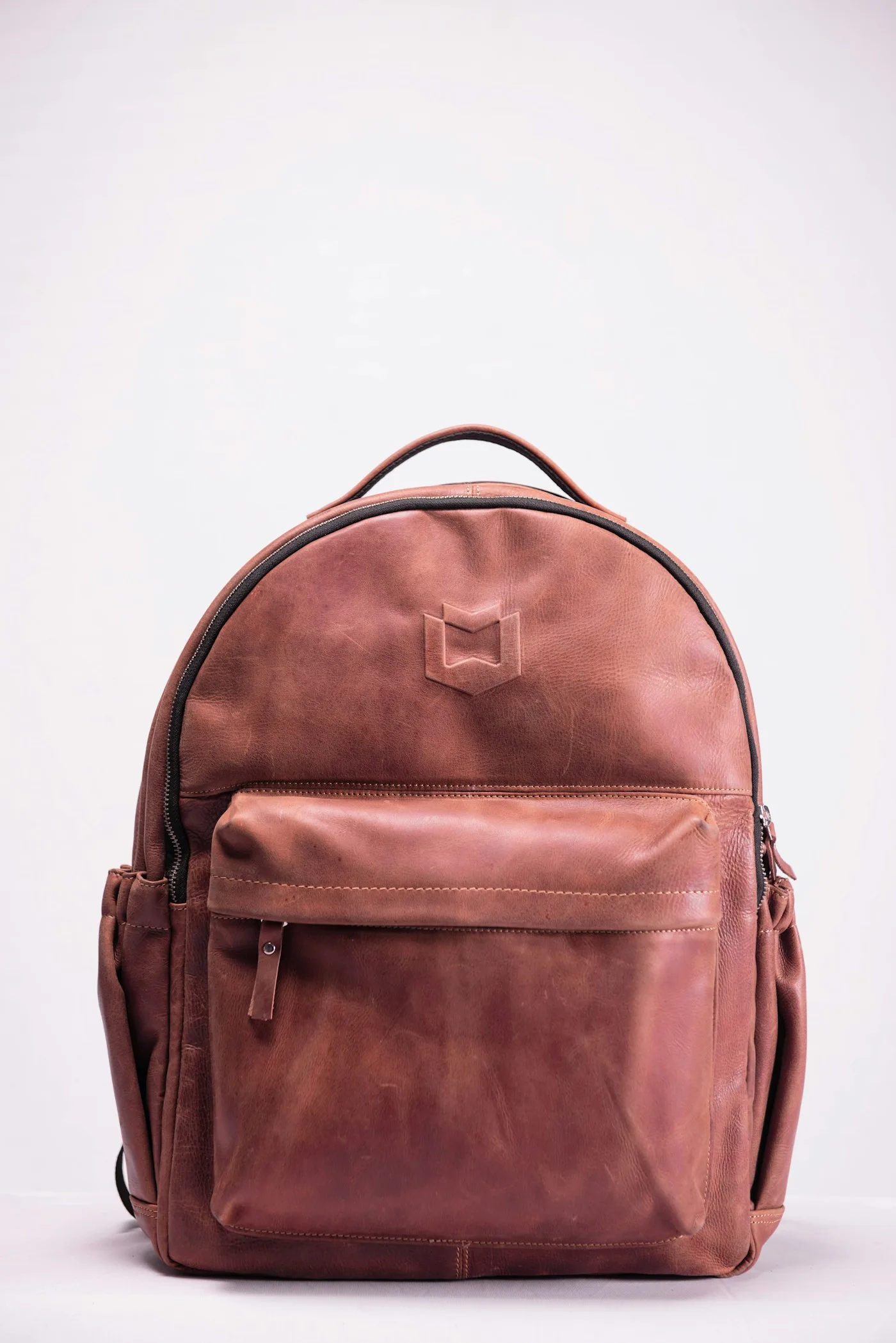
Packing cubes can keep clean clothing together and simplify a hotel unpack, but they do not create unlimited capacity. Large structured cubes may waste space in a small soft bag. Start with the bag you own and try a simple clothing bundle or one lightweight cube. A separate pouch for cables can be more helpful than buying an entire matching organizer set.
Compression can reduce clothing volume, but it does not reduce weight or make a packed bag more comfortable to carry. If the zip needs force, remove something before relying on compression. Leave enough spare space for a layer you take off and any small purchase you realistically expect. A bag that only closes in one precise arrangement is inconvenient during a short trip.
Keep essentials accessible if the bag is checked
Sometimes a cabin bag must be placed in the hold. Prepare a compact essentials pouch that you can remove quickly. Keep travel documents, necessary medication, valuables, and the electronics you need during the journey with you, subject to operator and security requirements. Check battery rules separately, especially for power banks and spare lithium batteries; these should not simply remain buried in a bag sent to the hold.
Use a clear place for each item so a security or boarding request does not trigger a full unpack. The passport should not share the bottom of the main compartment with shoes. Keep the next address and booking details available offline. A paper note with essential information can help if your phone is unavailable, without adding meaningful weight.
Test the packed bag at home
Pack at least a day before departure, close the bag, and carry it on a short ordinary walk. Use stairs if your journey includes them and doing so is suitable for you. Notice pressure points, awkward handles, and whether the load shifts. A bag advertised as compact may still be uncomfortable when filled with a laptop, toiletries, and dense accessories.
Then open it as if you were at security and remove the essentials pouch as if boarding staff requested it. If either task is difficult, rearrange the contents. Measure the filled bag again. Soft sides can expand beyond the dimensions printed on the product page, and a bulging water-bottle pocket can change the overall width.
Buy only what solves the remaining problem
Do not replace a useful bag merely because another one is marketed for travel. First identify the issue: weight, access, dimensions, straps, or weather protection. Compare products against that issue and read current return terms before purchasing. A lightweight bag with few pockets may suit one traveler, while someone carrying work equipment may need better organization and protection.
The same approach applies to miniature toiletries and adapters. Refill suitable containers when practical, label them clearly, and avoid taking a new skincare routine just because the bottles are small. Choose a charger and adapter compatible with your devices and destination, rather than a large collection of accessories you might use.
Carry-on weekend questions
Do I need a second pair of shoes? Only if the itinerary creates a clear need. Shoes are bulky, so a familiar versatile main pair is often the most useful starting point.
Should I pack a laptop? Bring it for a defined task. If you only need maps, tickets, and casual reading, consider whether your phone already covers those jobs.
What should I remove first when the bag is full? Start with duplicate layers, extra footwear, and accessories without a planned use. Preserve essential care items and necessary medication.
Preparation sources
Check the TSA travel checklist where applicable and your carrier's current allowance, such as easyJet cabin-bag guidance. Checked October 10, 2026. Match your bag to a route from our destination archive.
About this guide
Prepared by the Helene’s In Between editorial team using published information and scenario-based recommendations. We do not claim hands-on product testing or a sponsored trip. Photos illustrate the topic and do not document a product test.
Linked source information checked October 10, 2026. Confirm current opening times, availability, prices and retailer policies before making plans.